Commercial Flooring in Portland, Augusta & Naples, ME
Commercial flooring in
Portland, Augusta & Naples, ME
involves a structured interior installation process designed for business environments where flooring systems must support continuous foot traffic, equipment load demands, and long-term durability requirements. Sloan Flooring
performs commercial flooring work using controlled planning, surface preparation, and installation sequencing tailored to offices, retail spaces, and multi-use commercial interiors. Each project is executed based on building function, subfloor condition, and material performance requirements to ensure stable flooring systems across high-usage environments.
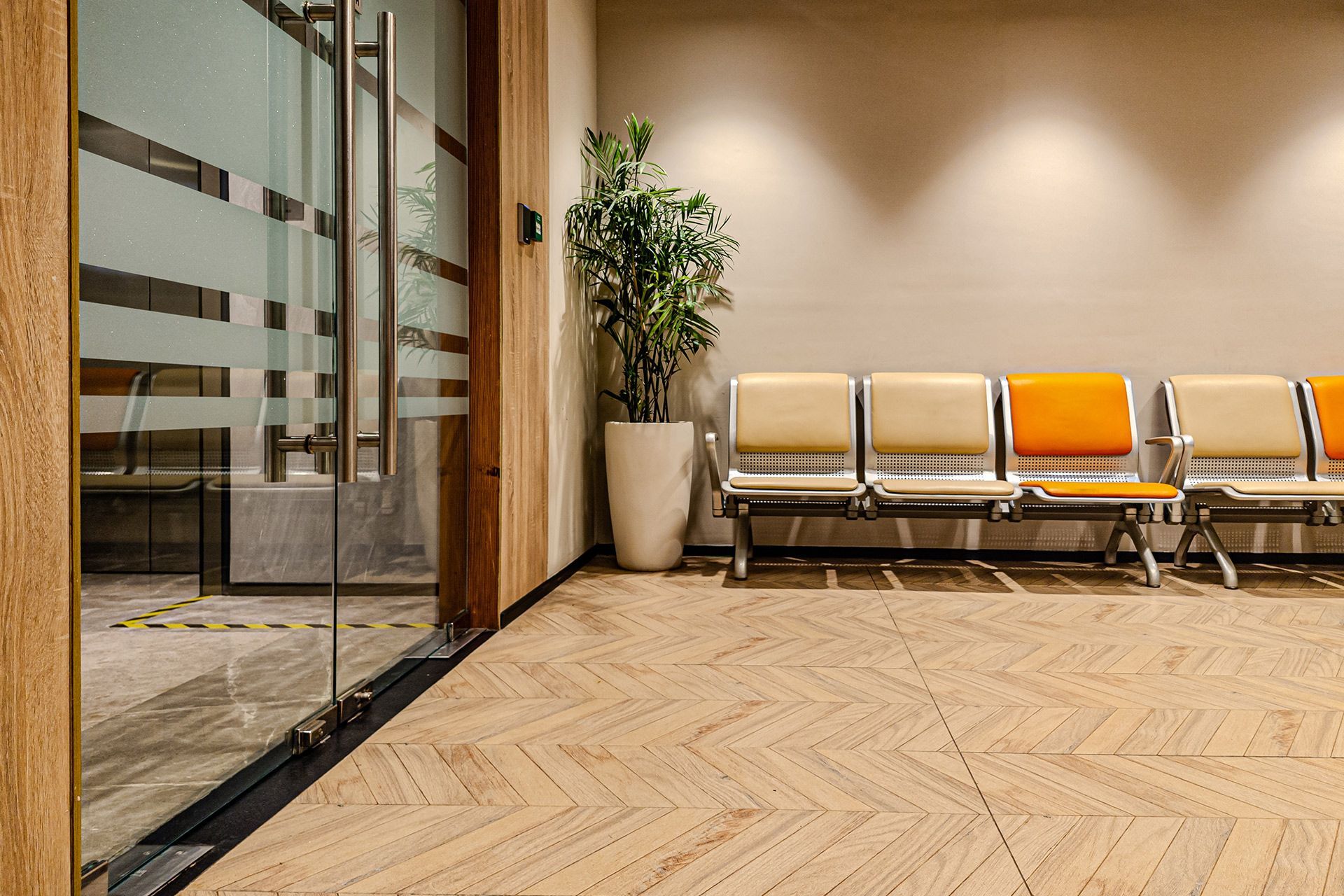
Project Evaluation and Commercial Site Planning
Commercial flooring installation begins with a detailed evaluation of the interior space to determine material selection, layout configuration, and installation scheduling within the operational environment.
Site Measurement and Usage Mapping
Accurate measurements are taken across all commercial areas to define flooring coverage and installation requirements.
Functional Space Division
Interior areas are segmented based on usage type such as reception zones, workspaces, or service areas.
Traffic Flow Analysis
Movement patterns are assessed to determine flooring durability requirements in high-traffic zones.
Material Selection and System Planning
Flooring materials are selected based on commercial performance standards and interior function.
Durability Requirement Assessment
Materials are evaluated for resistance to wear, impact, and continuous use conditions.
Maintenance and Lifecycle Consideration
Flooring systems are planned based on long-term maintenance needs and replacement cycles.
Subfloor Evaluation and Structural Preparation
Subfloor conditions in commercial environments must support heavier loads and continuous use without surface failure.
Structural Integrity Assessment
The existing subfloor is inspected for strength, stability, and load-bearing capacity.
Load Distribution Verification
Subfloor sections are evaluated to ensure they can support commercial traffic demands.
Surface Stability Testing
Areas of movement or flex are identified and corrected before installation begins.
Leveling and Surface Correction
Uneven subfloor areas are corrected to ensure uniform flooring installation.
Height Variation Adjustment
Depressions and raised areas are corrected to create a flat installation surface.
Reinforcement Application
Weak subfloor sections are strengthened to improve long-term durability.
Commercial Flooring Installation Systems
Commercial flooring installation involves multiple material systems depending on building function and performance requirements.
Vinyl and LVT Commercial Installation
Vinyl-based flooring systems are commonly used in commercial spaces due to durability and ease of maintenance.
Adhesive Bonding Application
Glue-down systems are applied for stable, long-term surface performance.
Seam Alignment Structuring
Planks or tiles are aligned to maintain consistent visual continuity across large spaces.
Padding and Underlayment Integration
Support layers are installed where required for comfort and noise reduction.
Tile and Stone Commercial Flooring
Tile systems are installed in high-moisture or high-durability areas such as entryways and restrooms.
Mortar Bed Installation Process
Tiles are set using reinforced adhesive systems designed for heavy use environments.
Grout Joint Reinforcement
Grout lines are sealed and stabilized for long-term resistance to wear.
Laminate Commercial Flooring Applications
Laminate systems are installed in light commercial environments with moderate traffic levels.
Floating System Assembly
Interlocking systems are installed without permanent adhesion to the subfloor.
Expansion Control Structuring
Perimeter spacing is maintained to accommodate material movement.
Installation Phasing and Operational Coordination
Commercial flooring installation is often scheduled around business operations to reduce disruption.
Phased Installation Planning
Work is divided into sections to maintain partial access to commercial spaces.
Area Segmentation Strategy
Installation zones are completed in stages based on operational priority.
Access Path Maintenance
Designated pathways are maintained for continued business activity during installation.
Scheduling and Time Management
Installation timing is coordinated to align with business hours and operational downtime.
Off-Hour Installation Work
Work may be scheduled during non-operational hours to minimize disruption.
Completion Timeline Structuring
Project phases are organized to ensure predictable installation progress.
Finishing Systems and Commercial Transitions
Final installation stages ensure flooring systems are fully integrated and ready for commercial use.
Transition Installation and Surface Integration
Flooring transitions are installed between different materials and elevation levels.
Multi-Surface Connection Alignment
Transitions ensure smooth movement between flooring systems across commercial zones.
Height Adjustment Management
Differences in flooring elevation are corrected using transition profiles.
Edge Finishing and Perimeter Completion
Floor edges are completed using trim and sealing systems.
Wall Interface Sealing
Perimeter edges are finished to prevent separation and maintain structural integrity.
Corner Reinforcement Finishing
Corners and high-stress points are reinforced for durability.
Environmental and Operational Factors in Portland, Augusta & Naples, ME
Commercial flooring in
Portland, Augusta & Naples, ME is influenced by seasonal climate conditions and building usage patterns that affect installation timing and long-term performance.
Seasonal Climate Influence on Commercial Spaces
Temperature and humidity variations impact subfloor stability and material behavior.
Winter Heating System Impact
Indoor heating can affect material acclimation and expansion behavior.
Summer Humidity Conditions
Higher moisture levels require monitoring during adhesive curing and installation.
Commercial Usage Demands
Flooring systems must support continuous activity and varied operational loads.
High-Traffic Durability Requirements
Entryways and shared spaces require reinforced flooring systems.
Maintenance Accessibility Planning
Flooring systems are installed with long-term maintenance access considerations.
Commercial flooring in
Portland, Augusta & Naples, ME requires structured planning, durable material selection, and controlled installation sequencing designed for high-usage environments. Each stage ensures flooring systems are properly integrated, stable, and capable of supporting long-term commercial performance.
Environmental and Residential Repair Factors in Portland, Augusta & Naples, ME
Floor repair services in
Portland, Augusta & Naples, ME are influenced by seasonal climate variation and indoor environmental conditions that can contribute to flooring damage over time.
Seasonal Moisture and Temperature Impact
Fluctuations in humidity and temperature can lead to expansion, contraction, and material separation.
Winter Drying Effects
Lower humidity levels can cause wood contraction and joint gaps.
Summer Moisture Expansion
Higher humidity may contribute to swelling or adhesive weakening in certain materials.
Residential Usage and Wear Patterns
Different household layouts and usage levels influence the type of floor damage encountered.
High-Traffic Area Degradation
Entryways and living spaces typically experience accelerated wear and surface breakdown.
Multi-Surface Transition Stress
Flooring transitions between rooms often develop separation or uneven edges over time.
Floor repair services in
Portland, Augusta & Naples, ME involve structured diagnostic evaluation, targeted material restoration, and controlled resurfacing techniques. Each repair stage is designed to restore stability, alignment, and functional performance across residential flooring systems.