Residential Flooring in Portland, Augusta & Naples, ME
Residential flooring in
Portland, Augusta & Naples, ME
involves a structured interior installation process designed for homes where flooring systems must balance comfort, durability, and long-term surface stability. Sloan Flooring
provides residential flooring services using a controlled workflow that includes subfloor preparation, material layout planning, installation sequencing, and finishing integration. Each residential project is approached based on room function, household usage patterns, and material compatibility to ensure flooring systems perform consistently across living spaces.
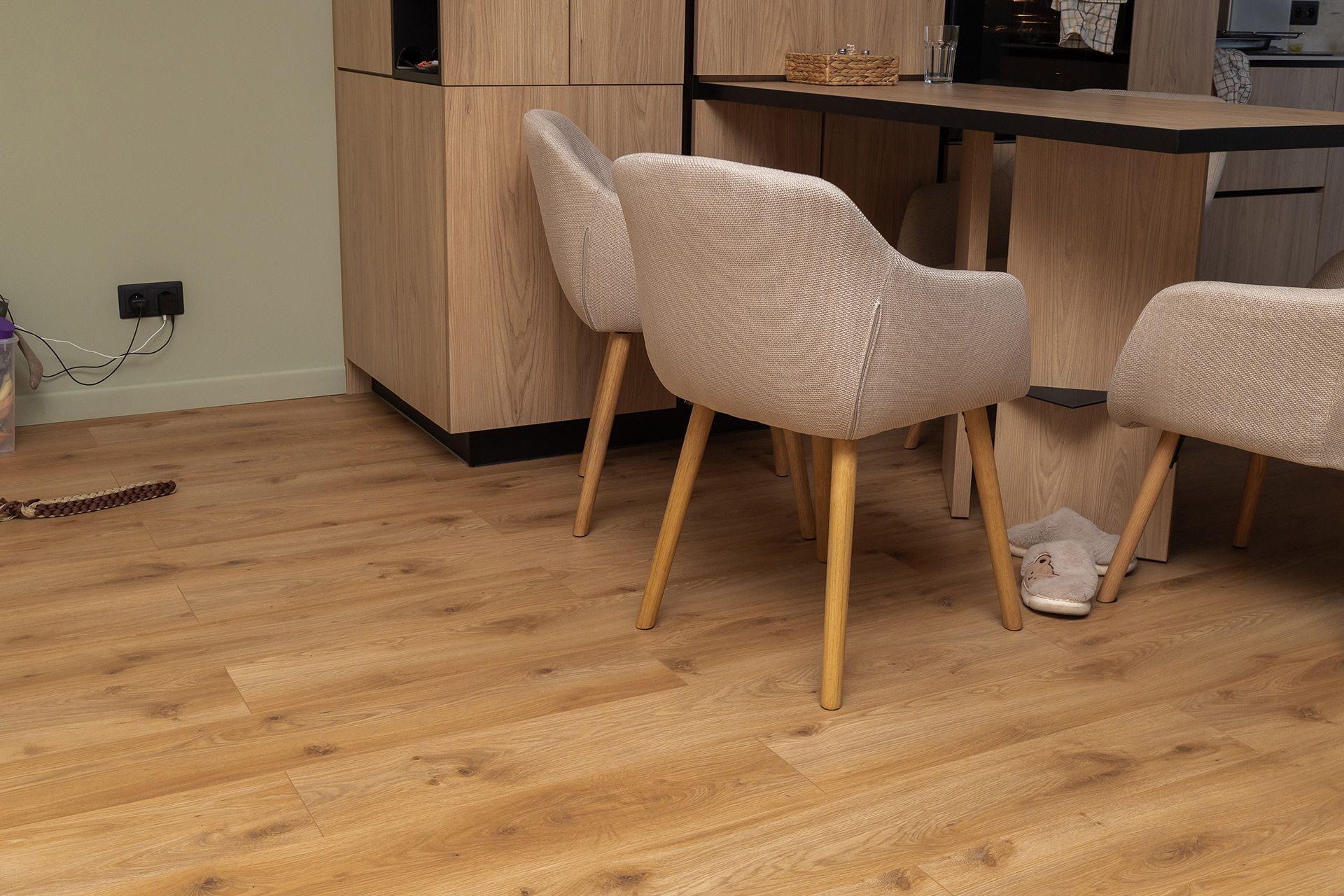
Home Flooring Assessment and Interior Planning
Residential flooring installation begins with evaluating the interior environment to determine material selection, layout direction, and installation requirements across different rooms.
Room-by-Room Measurement and Layout Design
Accurate measurements are taken throughout the home to define flooring coverage and installation structure.
Space Configuration Mapping
Each room is analyzed individually to determine flooring direction and material placement strategy.
Transition Zone Identification
Areas between rooms are marked to ensure smooth connection between different flooring surfaces.
Flooring Material Planning for Residential Use
Materials are selected based on room function, moisture exposure, and daily usage levels.
Living Space Material Suitability
High-traffic areas such as living rooms are evaluated for durability and surface wear resistance.
Moisture-Prone Area Selection
Bathrooms, kitchens, and entryways are assessed for moisture-resistant flooring options.
Subfloor Preparation and Structural Readiness
Subfloor condition plays a critical role in residential flooring performance, influencing surface stability and long-term durability.
Subfloor Inspection and Evaluation
The existing subfloor is assessed for strength, flatness, and structural integrity.
Surface Level Consistency Check
Uneven areas are identified to ensure flooring systems install on a stable base.
Structural Support Assessment
Weak or damaged sections are repaired or reinforced before installation begins.
Surface Cleaning and Preparation
The installation area is prepared to ensure proper adhesion and alignment of flooring materials.
Debris and Residue Removal
Dust, nails, and old adhesive materials are cleared from the installation surface.
Moisture Condition Review
Subfloor moisture levels are evaluated to prevent future expansion or material failure.
Residential Flooring Installation Systems
Different flooring materials are installed depending on room function and homeowner preferences.
Hardwood and Engineered Wood Installation
Wood flooring systems are installed for natural appearance and long-term interior value.
Board Acclimation Process
Wood materials are acclimated to indoor conditions before installation begins.
Controlled Row Installation
Planks are installed in a structured sequence to maintain alignment and spacing.
Vinyl and Laminate Flooring Installation
Vinyl and laminate systems are installed for durability and low-maintenance performance.
Click-Lock Assembly Method
Interlocking planks are secured without permanent adhesion in floating systems.
Expansion Gap Management
Perimeter spacing is maintained to accommodate natural material movement.
Tile and Stone Flooring Installation
Tile and stone systems are installed in areas requiring high durability and moisture resistance.
Mortar Bed Application
Tiles are set into adhesive beds for long-term structural stability.
Grout Line Structuring
Joints are filled and sealed to create a unified surface finish.
Padding Layer Installation
Underlayment is placed to support comfort and surface stability.
Interior Finishing and Transition Integration
Final stages of residential flooring ensure smooth transitions and complete interior integration across all rooms.stability.
Flooring Transition Installation
Transitions are installed where different flooring materials meet.
Multi-Surface Connection Setup
Transition systems are used to connect wood, tile, and vinyl surfaces.
Elevation Adjustment Alignment
Height differences between flooring types are corrected using transition profiles.
Trim and Edge Completion
Floor edges are finished using trim systems that provide a clean interior appearance.
Wall Interface Finishing
Baseboards are installed to cover expansion gaps along walls.
Corner and Edge Refinement
Corners are finished to maintain consistent alignment and surface continuity.
Environmental and Household Factors in Portland, Augusta & Naples, ME
Residential flooring in
Portland, Augusta & Naples, ME is influenced by seasonal climate conditions and household usage patterns that affect installation timing and long-term performance.
Seasonal Climate Variation Effects
Temperature and humidity changes influence material behavior and subfloor stability.
Winter Indoor Heating Conditions
Dry indoor air can affect wood flooring expansion and contraction behavior.
Summer Humidity Impact
Increased moisture levels require careful monitoring of subfloor and adhesive conditions.
Household Usage Considerations
Different homes have varying flooring demands based on occupancy and activity levels.
High-Traffic Area Planning
Entryways and common areas require durable flooring systems designed for frequent use.
Multi-Room Flooring Coordination
Flooring systems are installed to maintain consistency across connected interior spaces.
Residential flooring in
Portland, Augusta & Naples, ME involves a structured installation process that integrates subfloor preparation, material-specific installation methods, and detailed finishing work. Each phase is designed to create stable, consistent, and long-lasting flooring systems across all areas of the home.