New Construction Flooring in Portland, Augusta & Naples, ME
New construction flooring in
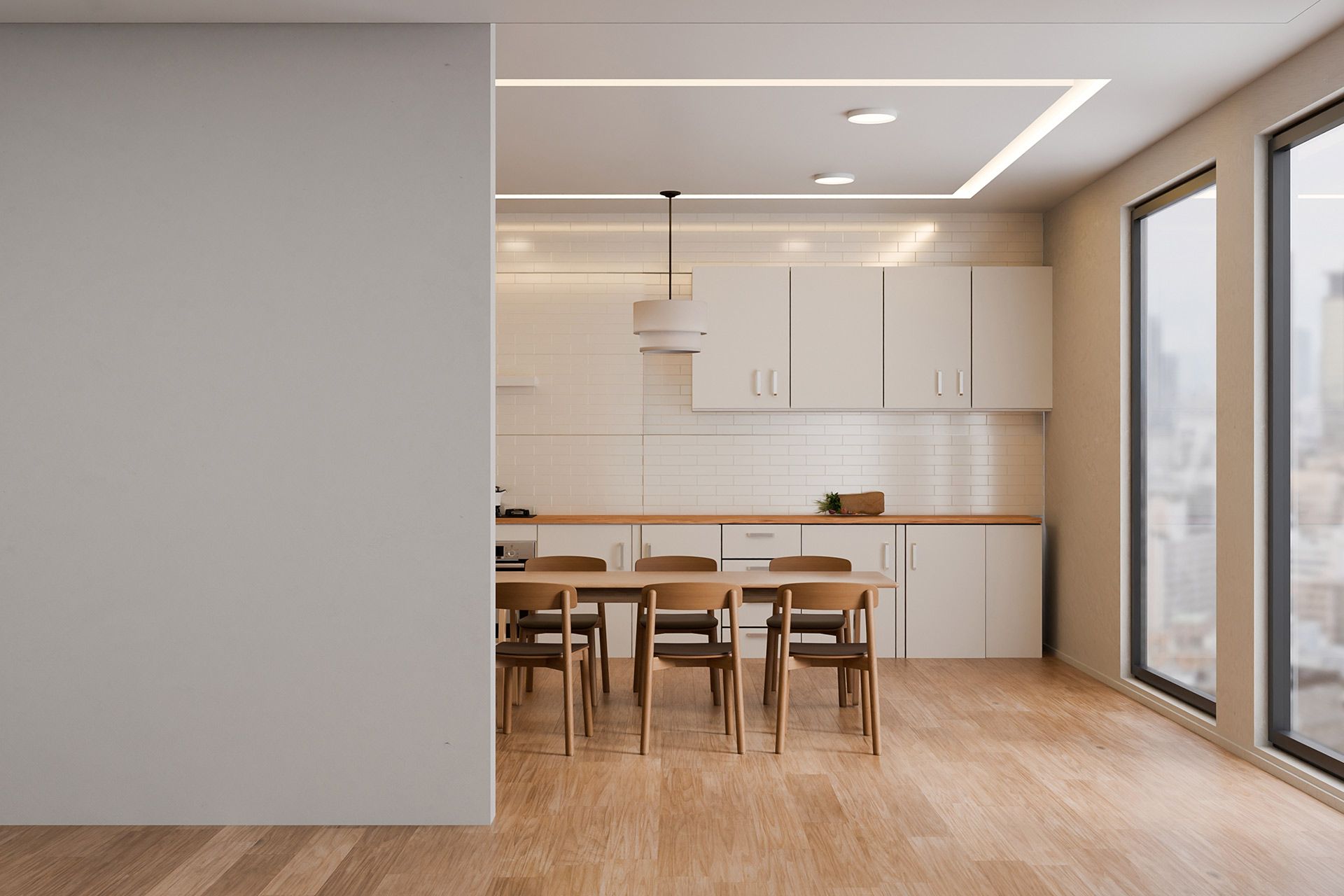
Portland, Augusta & Naples, ME involves a structured installation process designed for newly built residential interiors where flooring systems are installed from the ground up. Sloan Flooring performs new construction flooring work using a coordinated sequence of subfloor evaluation, material layout planning, installation system selection, and final surface finishing. Each project is integrated into the construction timeline to ensure flooring systems are installed after structural framing and subfloor completion but before final interior finishing stages.
Project Coordination and Construction Phase Planning
New construction flooring begins with coordination between structural readiness and flooring installation requirements to ensure proper sequencing within the overall build process.
Construction Timeline Integration
Flooring installation is scheduled based on building progress and interior readiness.
Framing Completion Verification
Installation begins only after structural framing and subfloor systems are fully completed and secured.
Trade Coordination Alignment
Flooring work is coordinated with other interior trades to ensure sequencing does not interfere with finishing operations.
Flooring System Selection Planning
Flooring materials are selected based on room function, design requirements, and structural compatibility.
Material Suitability Evaluation
Hardwood, tile, vinyl, and laminate systems are reviewed based on their performance in specific interior environments.
Room-Specific Application Mapping
Different flooring types are assigned to areas based on moisture exposure, traffic level, and design intent.
Subfloor Construction Evaluation and Preparation
In new construction, the subfloor is typically newly installed but still requires detailed inspection to ensure it meets flooring installation standards.
Structural Subfloor Inspection
The installed subfloor is evaluated for consistency, strength, and alignment.
Surface Flatness Verification
The subfloor is checked for level accuracy across all installation areas.
Panel Stability Confirmation
Subfloor panels are inspected for secure fastening and structural integrity.
Moisture and Environmental Conditioning
Subfloor moisture levels are evaluated before flooring installation begins.
Drying and Acclimation Monitoring
Construction moisture is monitored to ensure materials are installed under stable conditions.
Vapor Barrier Planning
Moisture protection layers are planned where required depending on flooring type.
Layout Design and Flooring System Mapping
Flooring layout in new construction is planned before installation begins to ensure consistent alignment and material efficiency.
Room Measurement and Grid Setup
Accurate measurements are taken across all interior spaces.
Reference Line Establishment
Guidelines are created to ensure straight installation paths across large floor areas.
Expansion and Movement Planning
Spacing is accounted for to accommodate natural material movement after installation.
Material Flow and Transition Design
Flooring transitions between rooms are planned in advance.
Multi-Room Continuity Structuring
Flooring direction is aligned across connected spaces for visual consistency.
Threshold Position Mapping
Doorways and transitions are identified for precise material fitting.
Flooring Installation Across Multiple Material Types
New construction flooring includes installation of various flooring systems depending on room requirements and design specifications.
Hardwood and Engineered Wood Installation
Wood flooring is installed using structured fastening or adhesive systems.
Board Acclimation and Placement
Wood materials are acclimated to interior conditions before installation begins.
Sequential Row Installation
Planks are installed in controlled rows to maintain consistent alignment.
Tile and Stone Flooring Installation
Tile systems are installed using mortar-based bonding systems for permanent placement.
Layout Grid Installation Process
Tiles are set according to predefined grid lines for symmetry and balance.
Leveling and Setting Control
Surface flatness is continuously monitored during installation.
Vinyl and Laminate Flooring Installation
Floating and click-lock systems are installed for efficiency and flexibility.
Interlocking System Assembly
Planks are connected using precision locking mechanisms.
Expansion Space Management
Controlled spacing is maintained along perimeter edges.
Finishing, Trim Installation, and Final Surface Completion
Final flooring stages ensure completed surfaces are properly finished and integrated with interior construction elements.
Trim and Base Installation
Floor edges are completed using trim systems that conceal expansion gaps.
Wall Interface Completion
Baseboards are installed to create clean transitions between flooring and walls.
Edge Consistency Finishing
All perimeter edges are aligned for uniform appearance.
Transition System Completion
Flooring transitions are installed between different material types and elevations.
Multi-Surface Alignment
Transitions ensure smooth movement between adjacent flooring systems.
Elevation Matching Adjustment
Height differences between materials are corrected using transition profiles.
Environmental and Construction Factors in Portland, Augusta & Naples, ME
New construction flooring in
Portland, Augusta & Naples, ME is influenced by seasonal conditions and construction environment factors that affect installation timing and material stability.
Construction Moisture Conditions
New builds often contain residual moisture that must be managed before flooring installation.
Drying Phase Monitoring
Interior spaces are monitored to ensure appropriate moisture levels before installation.
Material Acclimation Timing
Flooring materials are acclimated to indoor conditions before placement.
Seasonal Climate Considerations
Temperature and humidity fluctuations impact installation scheduling and material behavior.
Winter Construction Conditions
Cold-weather builds require controlled interior heating to stabilize materials.
Summer Humidity Control
Higher humidity levels require careful monitoring of subfloor and material readiness.
New construction flooring in
Portland, Augusta & Naples, ME requires structured coordination, precise layout planning, and controlled installation methods across multiple flooring systems. Each stage ensures that flooring is properly integrated into the building structure for long-term stability, performance, and interior consistency.
Environmental and Residential Repair Factors in Naples, ME
Floor repair services in
Portland, Augusta & Naples, ME are influenced by seasonal climate variation and indoor environmental conditions that can contribute to flooring damage over time.
Seasonal Moisture and Temperature Impact
Fluctuations in humidity and temperature can lead to expansion, contraction, and material separation.
Winter Drying Effects
Lower humidity levels can cause wood contraction and joint gaps.
Summer Moisture Expansion
Higher humidity may contribute to swelling or adhesive weakening in certain materials.
Residential Usage and Wear Patterns
Different household layouts and usage levels influence the type of floor damage encountered.
High-Traffic Area Degradation
Entryways and living spaces typically experience accelerated wear and surface breakdown.
Multi-Surface Transition Stress
Flooring transitions between rooms often develop separation or uneven edges over time.
Floor repair services in
Portland, Augusta & Naples, ME involve structured diagnostic evaluation, targeted material restoration, and controlled resurfacing techniques. Each repair stage is designed to restore stability, alignment, and functional performance across residential flooring systems.