Waterproof Flooring Installation in Portland, Augusta & Naples, ME
Waterproof flooring installation in Portland, Augusta & Naples, ME involves a structured interior flooring process designed to protect residential and light commercial spaces from moisture intrusion, surface swelling, and long-term water damage. Sloan Flooring performs waterproof flooring installation using controlled methods that integrate subfloor preparation, moisture management, material-specific installation systems, and sealed finishing details. Each project is executed based on environmental conditions, room function, and the selected waterproof flooring system to ensure stable and moisture-resistant interior surfaces.
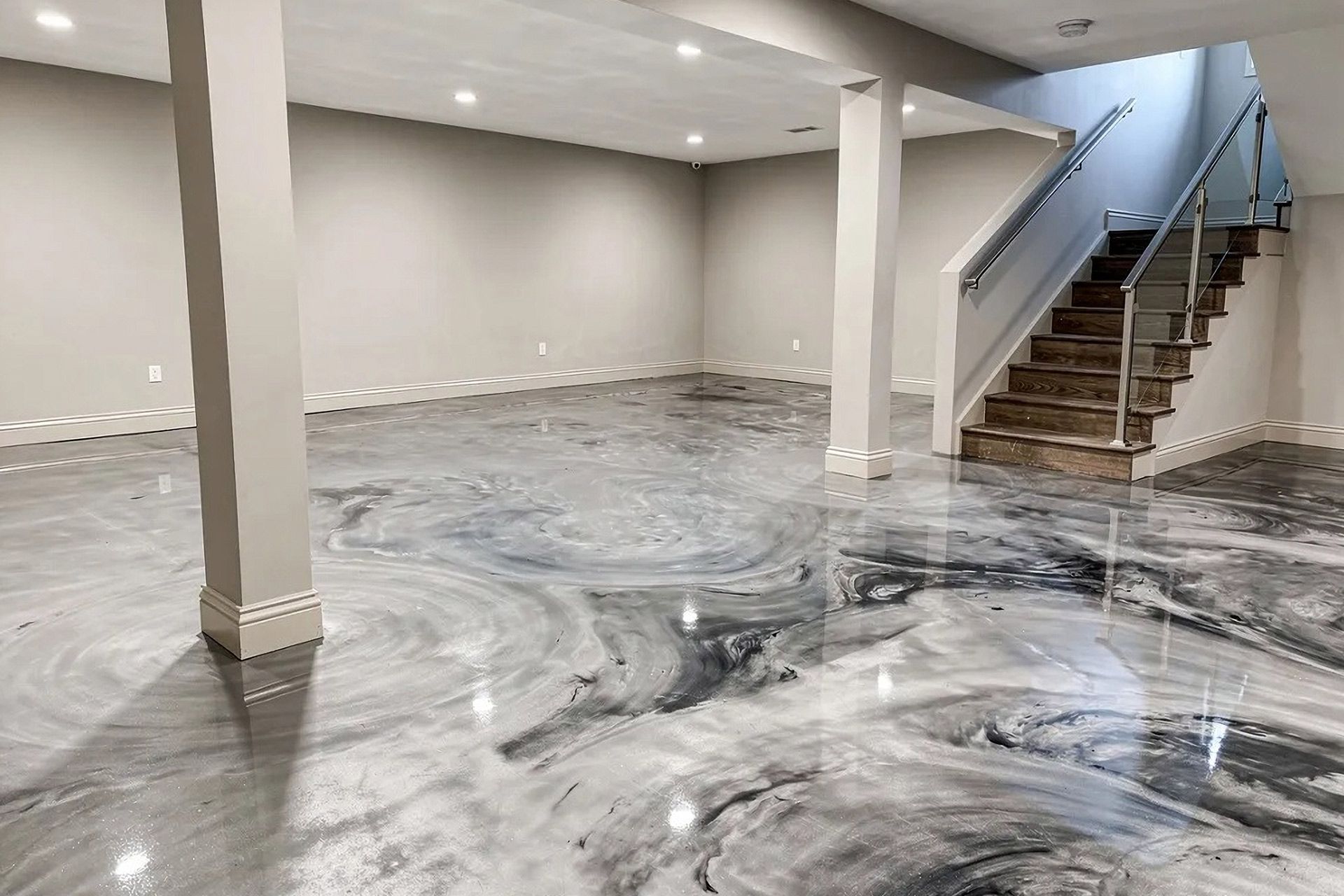
Project Assessment and Moisture Risk Planning
Waterproof flooring installation begins with evaluating the interior space to determine moisture exposure risk, subfloor conditions, and suitable material systems for long-term performance.
Room Function and Exposure Mapping
Each area is assessed based on its likelihood of water exposure or humidity variation.
High-Moisture Zone Identification
Spaces such as kitchens, bathrooms, entryways, and laundry areas are reviewed for moisture resistance requirements.
Dry Area Compatibility Review
Living rooms, bedrooms, and hallways are evaluated for appropriate waterproof or water-resistant flooring systems.
Layout Planning and Material Coordination
Flooring layout is planned to ensure consistent coverage and proper transitions between different room environments.
Flow Direction Structuring
Plank or tile direction is aligned to maintain visual consistency across connected interior spaces.
Transition Point Mapping
Areas where flooring types change are identified to ensure proper sealing and elevation control.
Subfloor Preparation and Moisture Control Systems
Subfloor preparation is essential in waterproof flooring installation because underlying moisture issues can compromise even waterproof surface materials.
Subfloor Condition Evaluation
The existing surface is inspected for stability, moisture content, and structural integrity.
Surface Level Consistency Check
Uneven areas are identified and corrected to ensure a flat installation base.
Structural Integrity Assessment
Loose or damaged subfloor sections are repaired to prevent movement after installation.
Moisture Barrier Preparation
Moisture control systems are applied to reduce vapor transmission from below the flooring surface.
Vapor Retarder Integration
A protective barrier is installed where required to limit moisture migration into flooring layers.
Substrate Dryness Stabilization
Environmental conditions are monitored to ensure the subfloor is within acceptable moisture limits before installation.
Waterproof Flooring System Types and Material Structure
Waterproof flooring systems are selected based on performance requirements, room function, and long-term durability expectations.
Luxury Vinyl Plank Waterproof Systems
LVP flooring is commonly used due to its fully waterproof core structure and sealed surface design.
Rigid Core Construction Behavior
The internal structure resists moisture absorption and maintains dimensional stability under humidity changes.
Click-Lock Water Sealing Design
Interlocking edges create a tight surface connection that reduces water penetration between planks.
Waterproof Tile Flooring Systems
Tile flooring provides a rigid, moisture-resistant surface suitable for wet environments.
Ceramic and Porcelain Composition
Dense tile materials naturally resist water absorption and surface degradation.
Grout Sealing Integration
Grout lines are sealed to prevent moisture penetration between tile joints.
Sheet Vinyl Waterproof Systems
Sheet vinyl provides continuous surface coverage with minimal seams.
Seam Reduction Advantage
Large-format installation reduces potential entry points for moisture.
Surface Bonding Stability
Adhesive systems secure vinyl sheets to properly prepared subfloors for long-term durability.
Waterproof Flooring Installation Process
Installation is performed using system-specific methods that ensure moisture resistance, alignment accuracy, and surface stability.
Starter Layout and Alignment Setup
Initial layout establishes the directional structure for the entire flooring system.
Baseline Reference Establishment
A starting line is created to maintain consistent alignment throughout the installation area.
Expansion Control Planning
Perimeter spacing is incorporated to allow for natural material movement without compromising waterproof performance.
Material Placement and Assembly
Flooring materials are installed in a controlled sequence depending on system type.
Floating System Assembly Method
Interlocking planks are connected without permanent adhesion to allow flexibility and stability.
Bonded Installation Technique
Adhesive-based systems are applied where permanent sealing is required for moisture protection.
Surface Level Monitoring and Adjustment
Throughout installation, surface consistency is continuously evaluated.
Height Variation Correction
Minor inconsistencies are corrected to maintain a uniform walking surface.
Seam Tightness Verification
Joints are checked to ensure proper sealing and alignment across all installed sections.
Edge Finishing and Waterproof Transition Integration
Proper finishing ensures that waterproof flooring systems remain sealed and protected at all edges and connection points.
Perimeter Sealing and Trim Installation
Edges are finished to prevent moisture entry at wall interfaces and floor boundaries.
Wall Interface Protection
Base trim systems are installed to cover expansion gaps while maintaining a sealed perimeter.
Edge Moisture Control Finishing
Sealants or finishing strips are applied to reinforce moisture resistance along floor edges.
Transition System Installation
Transitions are installed where waterproof flooring meets other materials or elevation changes.
Multi-Surface Connection Sealing
Transition strips are selected to maintain moisture resistance between flooring types.
Height Adjustment Coordination
Elevation differences are managed to ensure smooth and secure transitions.
Environmental and Regional Considerations in Portland, Augusta & Naples, ME
Waterproof flooring installation in
Portland, Augusta & Naples, ME is influenced by seasonal humidity changes and indoor environmental conditions that affect moisture levels and material performance.
Seasonal Moisture Variation Impact
Changes in temperature and humidity can influence subfloor conditions and installation timing.
Winter Indoor Dry Conditions
Heating systems during colder months may reduce indoor humidity, affecting subfloor stability.
Summer Humidity Exposure
Higher humidity levels require careful monitoring of moisture content before installation begins.
Residential Water Exposure Patterns
Different homes experience varying levels of water exposure based on layout and usage.
Entryway Moisture Control Areas
Entry points often require reinforced waterproof flooring systems due to tracked moisture.
Bathroom and Kitchen Protection Zones
High-exposure areas require fully sealed flooring systems to prevent long-term water damage.
Waterproof flooring installation in
Portland, Augusta & Naples, ME is a structured process that relies on moisture control planning, precise subfloor preparation, and system-specific installation techniques. Each stage is designed to ensure long-term resistance to water exposure while maintaining stable and visually consistent interior flooring performance.
Environmental and Regional Considerations in Portland, Augusta & Naples, ME
Subfloor repair and preparation in
Portland, Augusta & Naples, ME is influenced by seasonal climate changes and construction conditions that affect moisture levels and structural stability.
Seasonal Moisture Fluctuations
Humidity and temperature shifts can impact subfloor condition and drying time.
Winter Dry Air Effects
Low humidity can cause wood contraction and joint separation.
Summer Moisture Expansion
Higher humidity levels can contribute to swelling or material movement.
Residential Construction Conditions
Subfloor preparation varies depending on building age and structural design.
Older Home Structural Variability
Historic or older homes may require additional reinforcement and leveling.
New Construction Moisture Management
New builds often require drying time before flooring installation can proceed.
Subfloor repair and preparation in
Portland, Augusta & Naples, ME is a critical foundational process that ensures all flooring systems are installed on a stable, level, and moisture-controlled base. Each stage is designed to support long-term flooring performance across residential and light commercial environments.