Flooring Remodeling Services in Portland, Augusta & Naples, ME
Flooring remodeling services in
Portland, Augusta & Naples, ME involve a structured interior renovation process that includes the removal of existing flooring systems, evaluation of subfloor conditions, material selection planning, and installation of new flooring surfaces. Sloan Flooring performs flooring remodeling work using a phased approach designed to transition interior spaces from outdated or damaged flooring systems into newly installed, structurally stable surfaces. Each remodeling project is executed through controlled sequencing to ensure compatibility between subfloor conditions and the selected replacement flooring system.
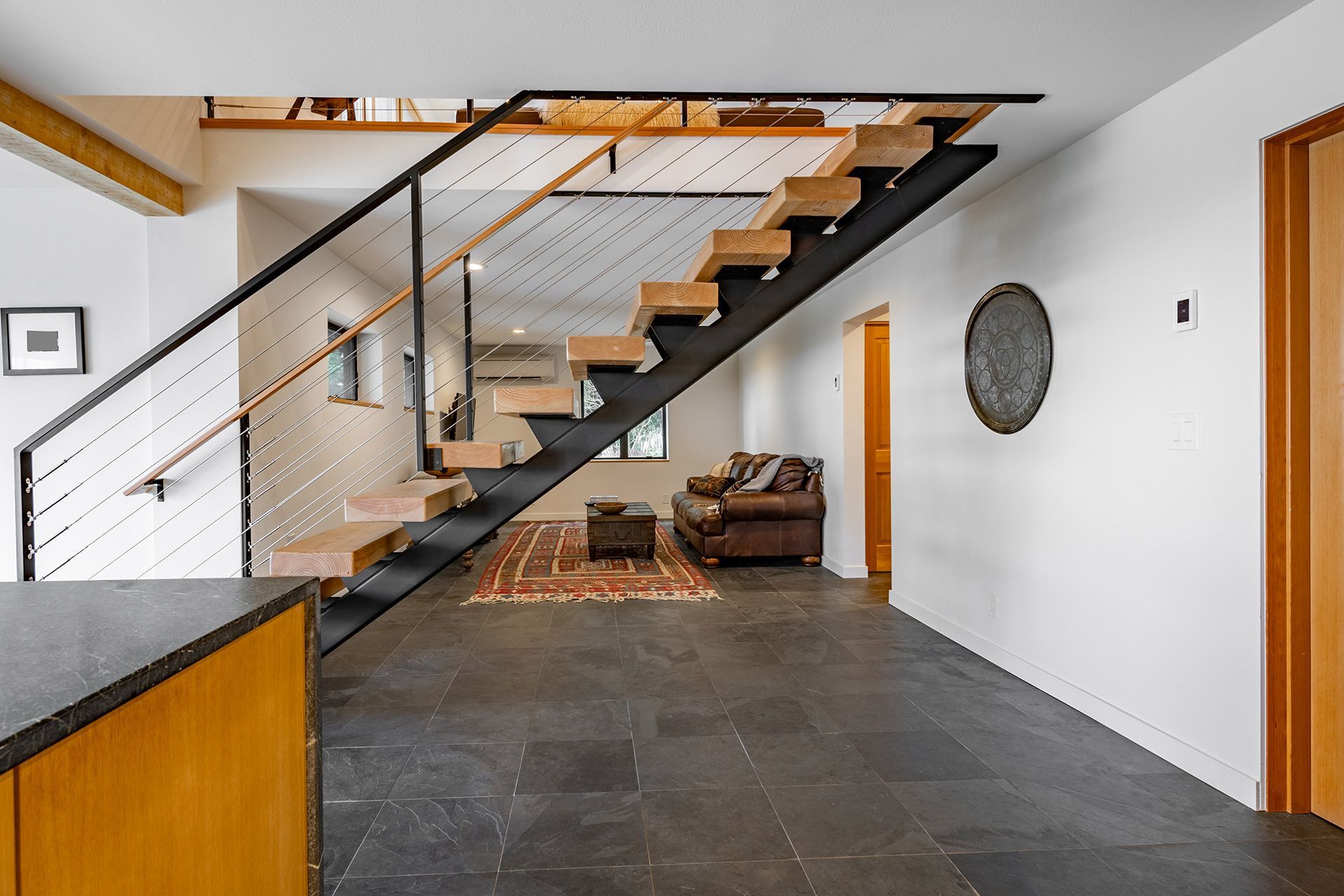
Project Evaluation and Remodeling Scope Definition
Flooring remodeling begins with a detailed evaluation of the existing interior flooring system to determine removal requirements and installation conditions for the new surface.
Existing Flooring Condition Assessment
The current flooring is inspected to determine its condition and suitability for removal or partial repair.
Material Wear and Damage Mapping
Surface deterioration, structural damage, and aesthetic degradation are documented across the flooring area.
System Compatibility Review
Existing flooring type and installation method are analyzed to determine removal complexity and replacement approach.
Remodeling Layout Planning
New flooring design and layout direction are established before demolition begins.
Room Configuration Structuring
Each room is measured and mapped to determine how new flooring will be distributed across interior spaces.
Transition Planning Between Surfaces
Connections between rooms and different flooring types are planned to ensure smooth structural and visual transitions.
Flooring Removal and Subfloor Exposure Process
Removal of existing flooring is a controlled process that ensures the subfloor remains intact and ready for new installation.
Material Removal Techniques
Old flooring materials are carefully removed based on their installation type and bonding method.
Section-by-Section Extraction
Flooring is removed in controlled sections to prevent unnecessary damage to the underlying structure.
Adhesive or Fastener Release Process
Bonded or mechanically fastened flooring systems are detached using appropriate removal techniques.
Subfloor Exposure and Cleanup
Once flooring is removed, the subfloor is prepared for inspection and correction.
Residue and Debris Elimination
Remaining adhesive, nails, or surface debris are cleared to create a clean working base.
Surface Readiness Verification
The exposed subfloor is evaluated for stability and readiness for new installation.
Subfloor Repair and Structural Correction
Before new flooring is installed, the subfloor must be corrected to ensure long-term stability and surface uniformity.
Structural Base Evaluation
The exposed subfloor is examined for damage or instability.
Moisture Impact Detection
Areas affected by moisture exposure are identified and addressed before installation continues.
Load-Bearing Integrity Review
Weak or damaged sections are reinforced to support new flooring materials.
Leveling and Surface Correction
Uneven subfloor areas are corrected to create a consistent installation plane.
Low Area Filling Process
Depressions are filled using leveling compounds suitable for interior flooring systems.
High Point Adjustment Technique
Raised sections are reduced to ensure a flat and even surface across the installation area.
New Flooring Installation and System Integration
Once the subfloor is prepared, new flooring materials are installed according to the selected system type.
Material Installation Sequencing
New flooring is installed in a controlled order based on layout planning and room configuration.
Starter Alignment Setup
The first installation row or section establishes directional consistency across the entire floor.
Progressive Surface Expansion
Flooring is installed outward from reference points to maintain consistent alignment.
Material-Specific Installation Methods
Different flooring types are installed using their respective structural systems.
Floating System Assembly
Interlocking flooring systems are installed without permanent adhesion to the subfloor.
Bonded Installation Process
Adhesive-based systems are applied where permanent surface bonding is required.
Finishing, Trim Work, and Transition Installation
Final stages of flooring remodeling involve finishing details that connect flooring surfaces and complete interior transitions.
Edge Finishing and Perimeter Trim
Floor edges are completed using trim systems that conceal expansion gaps and create clean boundaries.
Wall Interface Coverage
Base trim components are installed along room perimeters to finish flooring edges.
Corner and Joint Completion
Corners and edge intersections are refined to maintain consistent visual flow.
Transition System Installation
Transitions are installed where new flooring meets other materials or elevation changes.
Height Adjustment Coordination
Transition strips are selected based on differences between flooring surfaces.
Multi-Surface Connection Integration
Transitions are installed to create smooth movement between rooms and flooring types.
Environmental and Residential Remodeling Considerations in Portland, Augusta & Naples, ME
Flooring remodeling services in
Portland, Augusta & Naples, ME are influenced by seasonal climate variation and residential construction conditions that affect subfloor stability and installation timing.
Seasonal Climate Impact on Remodeling Work
Temperature and humidity fluctuations influence material behavior and installation conditions.
Winter Interior Dry Conditions
Lower humidity levels during colder months can affect subfloor moisture balance and material acclimation.
Summer Humidity Influence
Higher moisture levels require careful monitoring of subfloor preparation and installation timing.
Residential Layout and Usage Factors
Interior remodeling projects must adapt to different home layouts and usage patterns.
Multi-Room Flooring Transitions
Remodeling often involves connecting multiple rooms with consistent flooring flow.
High-Traffic Area Planning
Entryways and primary living spaces require careful attention to durability and structural stability.
Flooring remodeling services in
Portland, Augusta & Naples, ME provide a structured approach to replacing and upgrading interior floor systems through controlled removal, subfloor correction, and new flooring installation. Each phase is designed to ensure stability, alignment, and long-term performance across residential flooring environments.