Subfloor Repair & Preparation in Portland, Augusta & Naples, ME
Subfloor repair and preparation in Portland, Augusta & Naples, ME involves a structured interior construction process focused on restoring, stabilizing, and leveling the foundational surface beneath all flooring systems. Sloan Flooring performs subfloor work using diagnostic evaluation, structural correction, moisture control, and surface leveling methods designed to ensure compatibility with hardwood, tile, vinyl, laminate, and stone flooring installations. Each project begins with identifying structural weaknesses and ends with a properly prepared substrate ready for precise flooring installation.
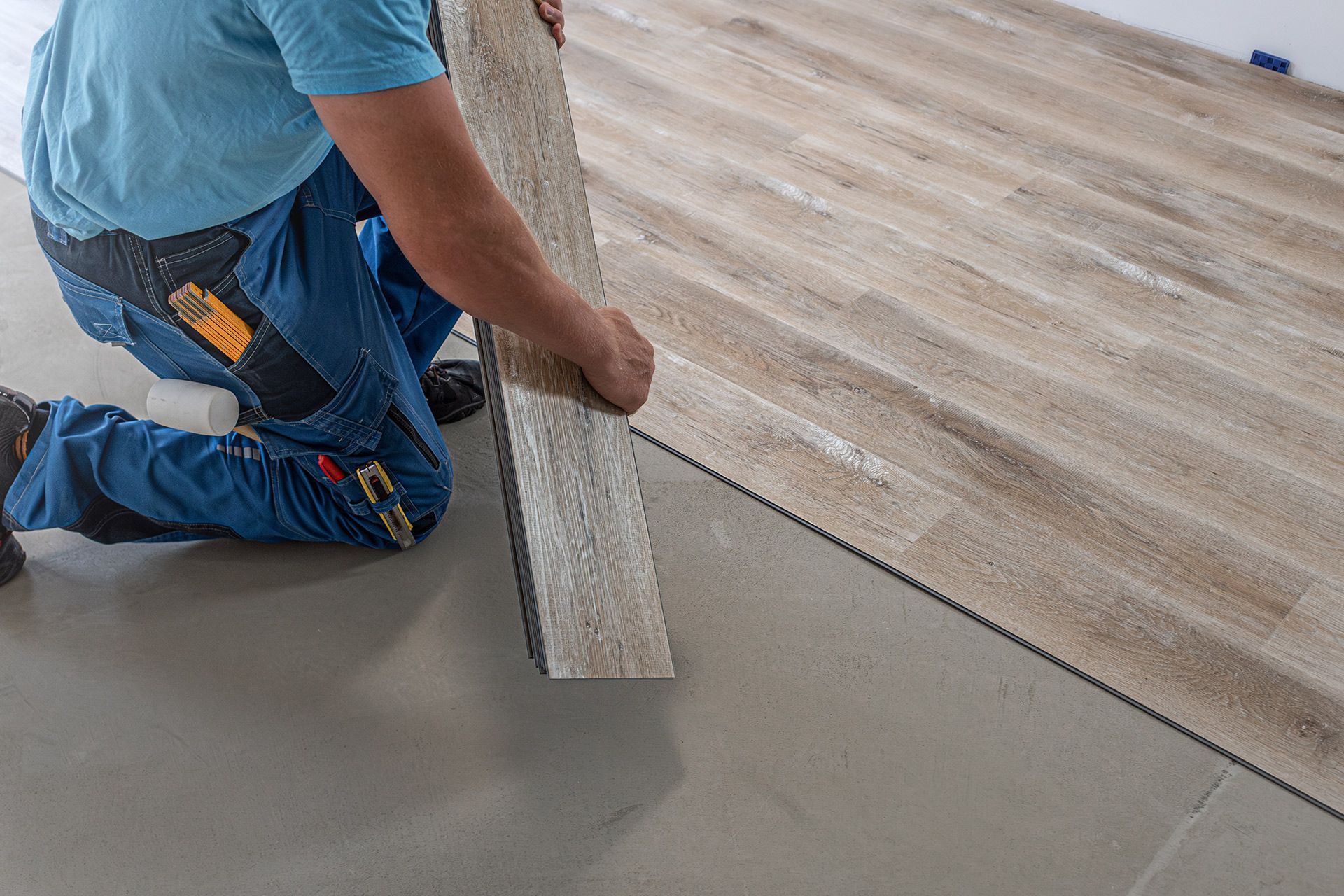
Subfloor Condition Assessment and Structural Diagnosis
Subfloor preparation begins with a detailed inspection of the existing base structure to determine its integrity, stability, and suitability for new flooring installation.
Surface Stability Evaluation
The subfloor is tested for movement, deflection, and structural consistency.
Load Response Testing
Areas are checked for flex or bounce under weight to identify weakened structural sections.
Fastener Security Review
Loose nails, screws, or panel separation points are identified for correction.
Damage Identification and Mapping
Visible and hidden defects are documented across the subfloor surface.
Moisture Damage Detection
Signs of water exposure such as swelling, staining, or soft spots are evaluated.
Material Degradation Analysis
Rotting wood, crumbling concrete, or adhesive failure is identified where applicable.
Subfloor Leveling and Surface Correction
Leveling is essential to ensure that finished flooring systems install evenly and perform correctly over time.
High and Low Spot Correction
Uneven areas are adjusted to create a consistent installation plane.
Surface Grinding and Reduction
Raised areas are reduced to align with the surrounding floor level.
Filling and Patching Process
Depressions and gaps are filled using leveling compounds or structural patch materials.
Full-Surface Leveling Application
In cases of widespread unevenness, a complete leveling system is applied.
Self-Leveling Compound Distribution
Liquid leveling materials are spread evenly to create a flat, uniform surface.
Cure and Set Timing Control
Drying time is managed to ensure full hardening before flooring installation begins.
Structural Reinforcement and Subfloor Repair Methods
When subfloor damage is present, structural repair is required before flooring systems can be installed.
Panel Replacement and Section Repair
Damaged subfloor sections are removed and replaced with new structural material.
Controlled Section Removal
Compromised areas are carefully extracted without damaging surrounding structure.
New Panel Integration
Replacement sections are installed and secured to restore continuity.
Joist and Support Reinforcement
Structural framing beneath the subfloor may require strengthening.
Support Beam Stabilization
Weak or sagging joists are reinforced to restore load-bearing capacity.
Movement Reduction Enhancement
Additional fasteners and supports are installed to reduce structural flex.
Moisture Control and Subfloor Protection Systems
Moisture management is critical to preventing future flooring failure caused by humidity or water exposure.
Moisture Level Testing and Evaluation
Subfloor moisture content is measured before any repair or installation work continues.
Vapor Presence Detection
Areas with elevated moisture are identified for treatment or drying.
Substrate Readiness Confirmation
The surface must meet acceptable moisture thresholds before flooring installation.
Moisture Barrier Installation
Protective systems are installed to prevent future moisture migration.
Vapor Retarder Layer Application
Barriers are placed between subfloor and flooring systems where required.
Edge Sealing Protection
Perimeter areas are treated to reduce moisture entry points.
Subfloor Cleaning and Surface Preparation
Before flooring installation, the subfloor must be fully cleaned and prepared to ensure proper bonding and alignment.
Debris and Residue Removal
All surface contaminants are cleared from the subfloor.
Dust and Particle Elimination
Fine debris is removed to ensure smooth installation conditions.
Adhesive and Residue Scraping
Old glue, paint, or construction residue is removed where necessary.
Surface Smoothing and Final Prep
The subfloor is refined to ensure it is ready for flooring installation.
Minor Imperfection Correction
Small cracks and surface irregularities are filled and smoothed.
Final Flatness Verification
A final inspection confirms readiness for flooring system installation.
Flooring Compatibility and Installation Readiness
Subfloor preparation is completed based on the requirements of the flooring system being installed over it.
Hardwood and Engineered Wood Readiness
Wood flooring requires a stable and level subfloor to prevent movement and noise.
Expansion Stability Confirmation
Subfloor conditions are checked to support natural wood movement.
Tile and Stone Installation Readiness
Rigid flooring systems require maximum subfloor strength and flatness.
Deflection Resistance Verification
Structural movement is eliminated to prevent tile cracking.
Vinyl and Laminate Readiness
Flexible flooring systems require smooth and clean base conditions.
Surface Uniformity Validation
The subfloor must be free of irregularities that could transfer through finished flooring.
Environmental and Regional Considerations in Naples, ME
Subfloor repair and preparation in
Portland, Augusta & Naples, ME is influenced by seasonal climate changes and construction conditions that affect moisture levels and structural stability.
Seasonal Moisture Fluctuations
Humidity and temperature shifts can impact subfloor condition and drying time.
Winter Dry Air Effects
Low humidity can cause wood contraction and joint separation.
Summer Moisture Expansion
Higher humidity levels can contribute to swelling or material movement.
Residential Construction Conditions
Subfloor preparation varies depending on building age and structural design.
Older Home Structural Variability
Historic or older homes may require additional reinforcement and leveling.
New Construction Moisture Management
New builds often require drying time before flooring installation can proceed.
Subfloor repair and preparation in
Portland, Augusta & Naples, ME is a critical foundational process that ensures all flooring systems are installed on a stable, level, and moisture-controlled base. Each stage is designed to support long-term flooring performance across residential and light commercial environments.