Natural Stone Flooring Installation in Portland, Augusta & Naples, ME
Natural stone flooring installation in
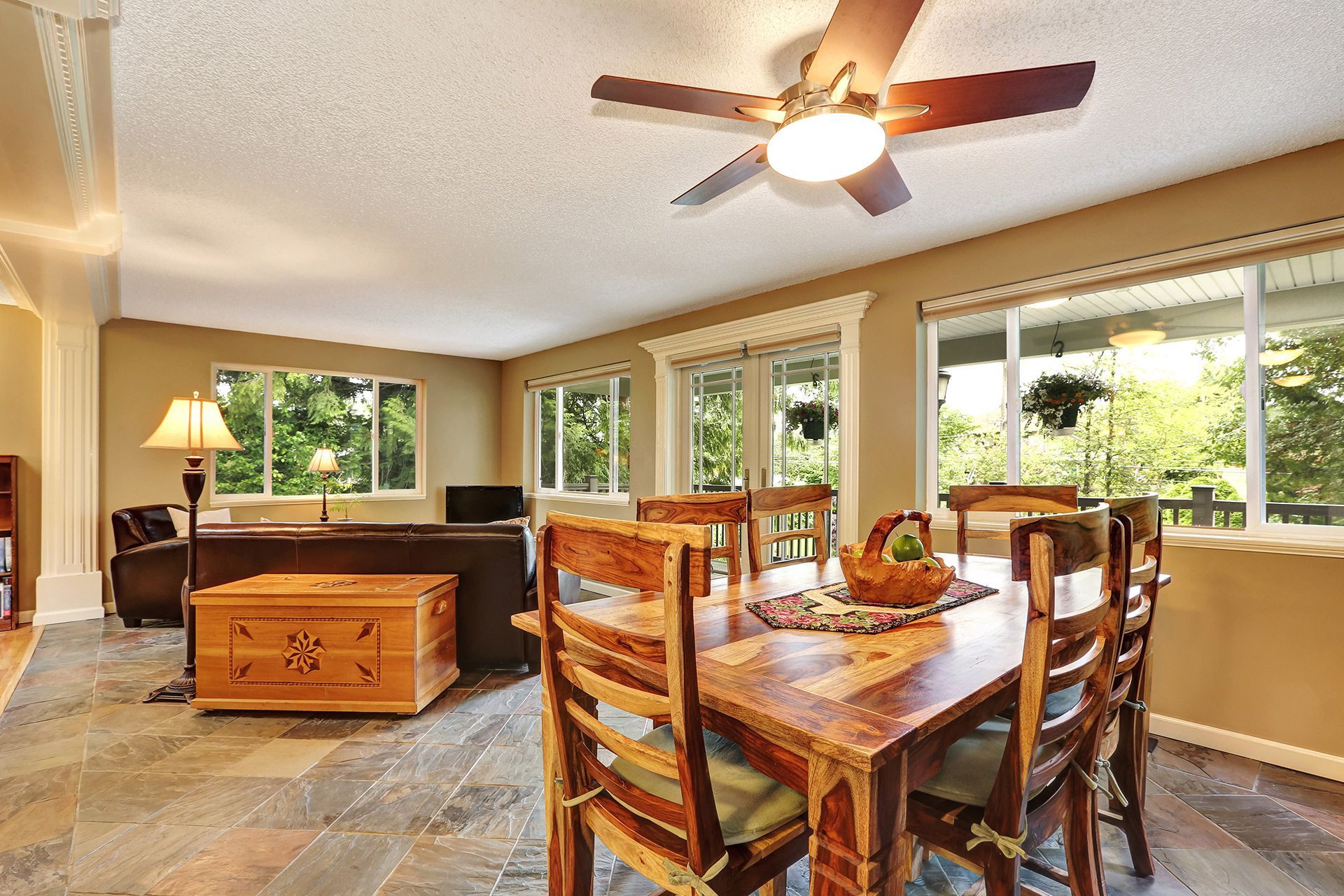
Portland, Augusta & Naples, ME involves a highly structured interior flooring process that includes substrate evaluation, layout design, stone selection handling, adhesive bedding, leveling, grouting, and surface sealing. Sloan Flooring performs natural stone flooring work using measured installation sequencing designed to accommodate the weight, density, and natural variation of stone materials. Each installation is planned around surface stability, material thickness variation, and long-term structural performance within residential interiors.
Project Assessment and Stone Layout Planning
Natural stone flooring installation begins with detailed planning that accounts for irregular material variation, room geometry, and load distribution across the floor surface.
Room Measurement and Surface Mapping
Accurate measurement is required to determine stone placement and layout balance across the installation area.
Dimensional Grid Formation
A reference grid is established to guide stone placement and ensure consistent spacing and alignment across the floor.
Focal Point Alignment Planning
Stone layout is often centered around visual focal points such as entryways or central living areas to maintain balanced design distribution.
Stone Pattern and Material Layout Design
Natural stone varies in tone, texture, and size, requiring careful layout sequencing before installation begins.
Color Variation Distribution
Stone pieces are arranged to distribute natural tonal differences evenly across the installation surface.
Seam Position Structuring
Joint placement is planned to avoid clustering and to maintain consistent visual flow throughout the room.
Subfloor Preparation and Load Stability Conditioning
Natural stone flooring requires a highly stable and reinforced subfloor due to the weight and rigidity of stone materials.
Structural Base Evaluation
The subfloor is inspected to ensure it can support the additional load of natural stone installation.
Deflection Resistance Assessment
Areas of flex or movement are identified and corrected to prevent cracking or tile separation.
Surface Integrity Verification
Weak or damaged subfloor sections are repaired or reinforced prior to installation.
Surface Leveling and Reinforcement Process
A flat and reinforced base is essential for proper stone adhesion and long-term stability.
Leveling Compound Application
Low areas are filled using reinforced leveling materials designed for heavy flooring systems.
Surface Flattening Technique
The subfloor is refined to ensure consistent height across all installation zones.
Stone Handling and Adhesive Bonding System
Natural stone installation requires controlled adhesive application due to variations in thickness and material density.
Thinset Mortar Preparation for Stone
A high-strength mortar bed is prepared to support stone weight and ensure secure bonding.
Consistency Strength Calibration
Mortar is mixed to achieve strong adhesion suitable for heavy stone materials.
Workable Application Timing
Adhesive is applied in sections to maintain optimal bonding conditions during installation.
Stone Placement and Seating Process
Each stone piece is carefully placed into the mortar bed according to layout design.
Compression Seating Technique
Stone is pressed into place to ensure full contact with adhesive beneath the surface.
Height Alignment Monitoring
Surface levels are continuously checked due to natural thickness variation in stone materials.
Cutting, Shaping, and Edge Integration
Natural stone requires specialized cutting and shaping due to its density and irregular composition.
Precision Stone Cutting Process
Stone pieces are cut using specialized tools designed for hard material processing.
Straight Edge Fabrication
Clean cuts are made for perimeter edges and structured layout boundaries.
Custom Shape Adaptation
Irregular cuts are performed for corners, fixtures, and architectural features.
Perimeter and Transition Integration
Edges are carefully managed to ensure smooth transitions between stone and other flooring types.
Threshold Alignment Configuration
Stone edges are aligned with transition strips to manage elevation changes.
Wall Interface Spacing Control
Controlled spacing is maintained along vertical surfaces to allow for material movement.
Grouting and Joint Stabilization Process
Grouting is essential in natural stone flooring to lock individual pieces into a unified surface and stabilize joint spacing.
Grout Application and Joint Filling
Grout is applied evenly across all stone joints to create a sealed and continuous surface.
Deep Joint Penetration Technique
Grout is worked into wider stone joints typical of natural material installations.
Excess Material Removal Process
Surface residue is cleaned to preserve stone texture and finish clarity.
Joint Stabilization and Curing
Grout requires controlled curing to ensure long-term durability.
Moisture Setting Control
Curing conditions are maintained to support proper grout hardening.
Surface Bond Strength Development
Joint materials strengthen over time to stabilize the full floor system.
Sealing and Surface Protection System
Natural stone requires sealing to protect against moisture absorption, staining, and surface wear.
Initial Sealer Application
A protective sealer is applied after grout curing to penetrate stone pores.
Absorption Control Layering
Sealer is applied evenly to reduce uneven absorption across natural stone variations.
Surface Protection Formation
The sealing layer creates a barrier against moisture and contaminants.
Ongoing Maintenance Seal Systems
Additional sealing may be applied depending on stone type and usage conditions.
Reapplication Scheduling Consideration
Sealants are maintained periodically based on exposure levels.
Surface Longevity Enhancement
Proper sealing extends the functional lifespan of stone flooring systems.
Environmental and Regional Considerations in Portland, Augusta & Naples, ME
Natural stone flooring installation in
Portland, Augusta & Naples, ME is influenced by seasonal climate variation and indoor environmental conditions that affect curing, bonding, and long-term material stability.
Seasonal Temperature and Humidity Effects
Environmental changes affect adhesive curing and stone settling behavior.
Cold Season Installation Behavior
Lower temperatures can slow curing times and require controlled indoor conditions.
Warm Season Moisture Response
Higher humidity levels influence material setting and grout curing behavior.
Residential Structural Adaptation
Stone flooring is installed in varied residential layouts requiring precise structural adaptation.
Multi-Surface Transition Management
Stone flooring is integrated with other flooring types across connected interior spaces.
High-Traffic Area Structural Reinforcement
Entryways and living spaces require additional attention to load distribution and surface stability.
Natural stone flooring installation in
Portland, Augusta & Naples, ME is a highly structured process that depends on precise subfloor preparation, controlled adhesive bonding, careful material placement, and protective sealing. Each stage contributes to the long-term durability, stability, and visual consistency of natural stone surfaces in residential interiors.